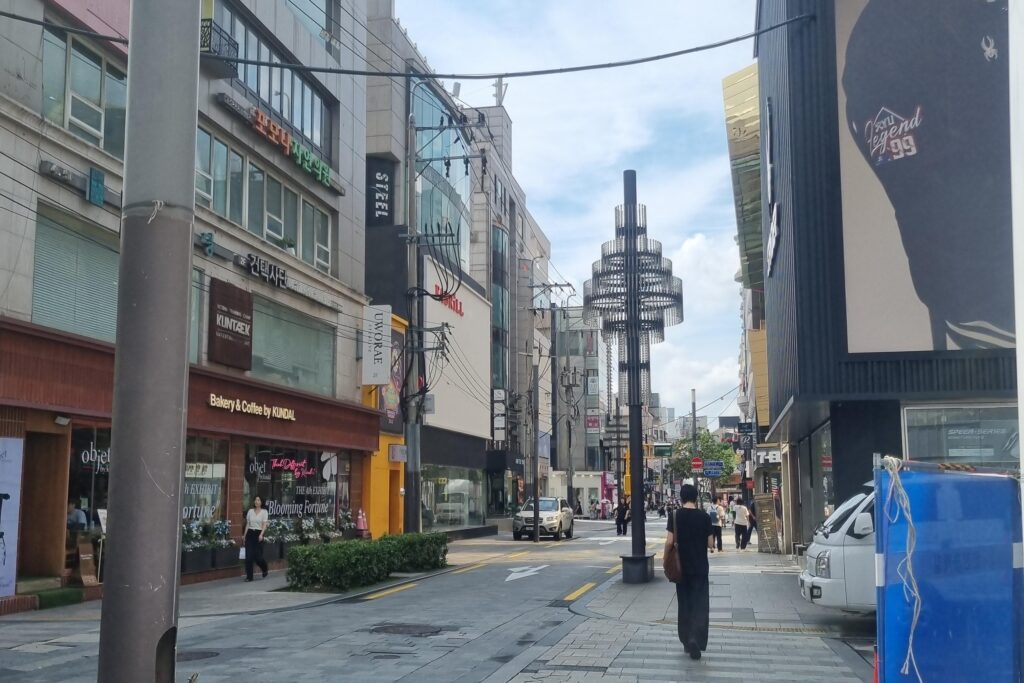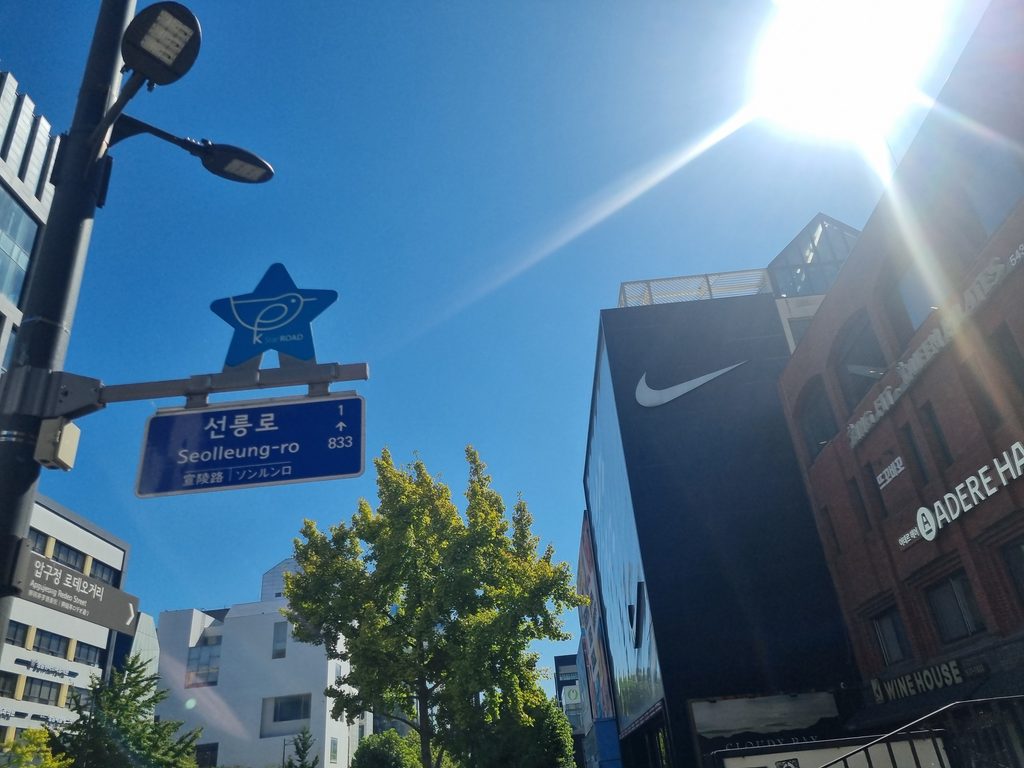
Things to Do in Gangnam, Seoul: A Local’s Guide
Looking for things to do in Gangnam Seoul? Beyond its famous shopping streets, Gangnam offers historic temples, peaceful royal tombs, modern shopping malls and neighborhood restaurants.
As a local resident, I’ll share the places I’ve visited myself, including a few unexpected discoveries and practical tips for planning your day.
In the morning, I can walk through a quiet forest surrounding centuries-old royal tombs. Later, I might visit a Buddhist temple, browse a modern shopping mall or head to Gangnam Station for dinner.
These places offer surprisingly different experiences, even though they’re all in Gangnam.
If you’re visiting Seoul for the first time, I wouldn’t suggest trying to see everything in one day. Instead, I’d choose an area based on what interests you.
In this guide, I’ll share places I’ve visited myself, what I found worthwhile, a few things that disappointed me, and two practical ways to spend a day in Gangnam.
Which Part of Gangnam Should You Visit?
Here’s how I would choose, depending on your interests.
| What you want from your day | Where I would go |
|---|---|
| A historic temple, food and indoor shopping | Bongeunsa and COEX |
| A peaceful forest walk and royal tombs | Seonjeongneung |
| Everyday shopping, Korean food and lively streets | Gangnam Station and Sinnonhyeon |
| Fashion, cafés and luxury shopping | Apgujeong Rodeo and Cheongdam |
For an easy sightseeing day, Bongeunsa and COEX make a natural combination. They’re directly across the road from each other.
For a quieter morning, I’d choose Seonjeongneung and then continue to Gangnam Station.
I’d save Apgujeong Rodeo and Cheongdam for another outing, particularly if shopping and fashion are your main interests.
1. Bongeunsa Temple: History, Tea and a Walk Above the City
When people imagine Gangnam, a historic Buddhist temple probably isn’t the first thing that comes to mind.
But Bongeunsa is somewhere I’d include in a first-time visitor’s itinerary.
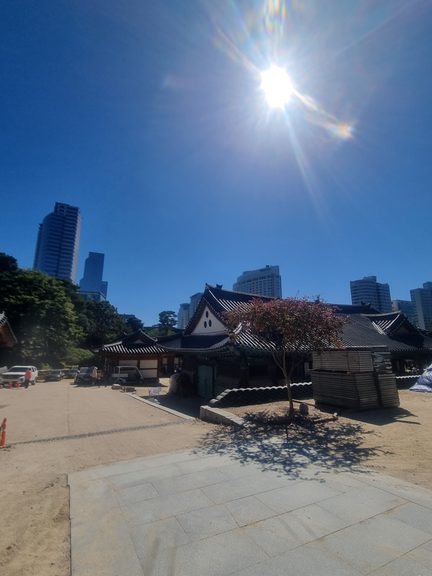
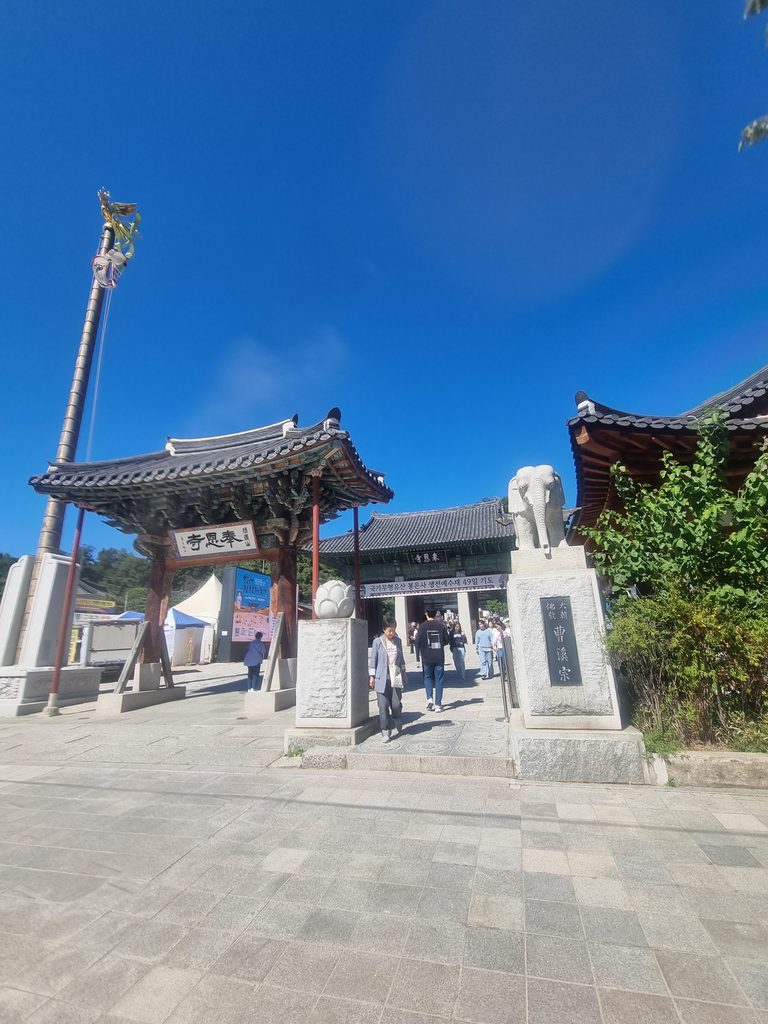
Originally founded in 794, the temple sits among the office towers, hotels and shopping complexes of modern Gangnam. I find the contrast between its traditional architecture and the surrounding skyline particularly interesting.
What I Enjoyed Inside Bongeunsa
I walked around the main temple buildings, visited a Buddhist prayer hall and explored some quieter paths within the grounds.
The architecture, painted decorations and religious objects are interesting even if you aren’t familiar with Buddhism.
It’s also an active place of worship, so visitors should remember that people come here to practice their religion, not simply to sightsee.
One unexpected part of my visit was discovering places to eat and drink within the temple grounds.
The Cafeteria or the Tea Area: Which Would I Choose?
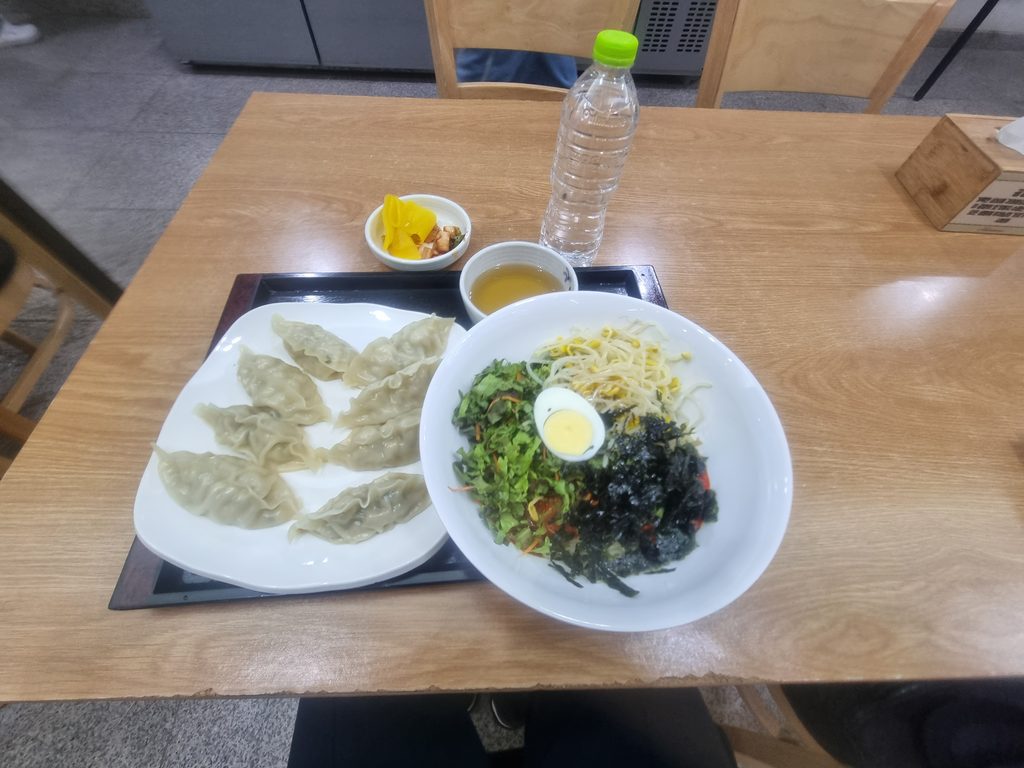
There’s a cafeteria open to ordinary visitors on the right-hand side of the parking area, shortly after entering the temple.
I tried the food during my visit.
Meals were served on cafeteria-style trays, and visitors returned their dishes afterward. Side dishes were available for refills.
My experience of the food was mixed.
I didn’t particularly enjoy the noodles, and the ordinary kimchi wasn’t to my taste. The green onion kimchi, however, was much better.
The dumplings were acceptable, although they reminded me of convenience-store frozen dumplings rather than something freshly made.
They cost KRW 6,000 when I visited.
Unless you’re tired and simply want somewhere convenient to sit down, I wouldn’t make a special trip to Bongeunsa for its cafeteria.
The tea area was a different experience.
On my visit, I found a simple tent-covered seating area on the right after entering the temple.
It didn’t look particularly elaborate from outside, but I was pleasantly surprised by how clean and comfortable it felt once I stepped inside.
The drinks were inexpensive, and I especially enjoyed a latte with a distinctive flavor.
I was told that some of the tea ingredients were prepared there and that volunteers associated with the temple helped operate the space. I haven’t independently verified its current operating arrangements.
I also noticed other visitors enjoying small bakery snacks.
For me, this was a much more enjoyable place to rest than the cafeteria. If I were visiting again, I’d explore the grounds first and then stop here for a drink.

Local tip: These food and beverage experiences are based on my visit. Menus, prices and operating arrangements may change.
Is the Meditation Walking Trail Worth Exploring?
Bongeunsa has a separate walking route away from its main temple buildings.
The trail I followed took roughly ten minutes in one direction. It passed through a wooded area and eventually led toward another exit.
There were some uphill sections, and I enjoyed seeing the temple rooftops and modern buildings from a different perspective.
However, if your main purpose is a peaceful forest walk, I personally prefer Seonjeongneung, which I’ll describe later.
Bongeunsa’s meditation trail is pleasant when you’re already visiting the temple, but I wouldn’t make a separate trip just for the walk.
The area is also near a school, so please be considerate about noise.
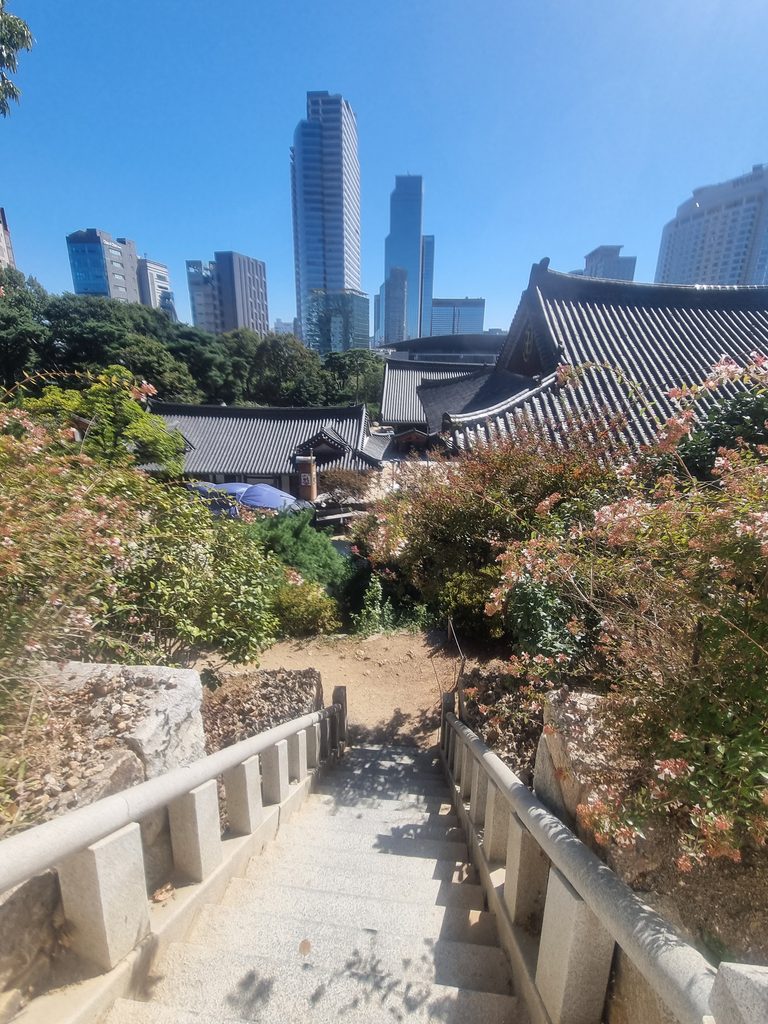
Getting there: Take Seoul Subway Line 9 to Bongeunsa Station and use Exit 1.
Admission to the temple grounds is free, although access to individual areas and activities may depend on temple schedules.
For general visitor information, see the official Seoul tourism guide to Bongeunsa.
2. COEX and Starfield Mall: Shopping, Food and an Easy Indoor Day
After exploring Bongeunsa, I like continuing my outing at COEX.
Cross the road from the temple, and you’ll reach an entrance to the underground shopping and dining area. If you continue toward Samseong Station, you’ll encounter more of the COEX complex, including its large signs and digital advertising displays.
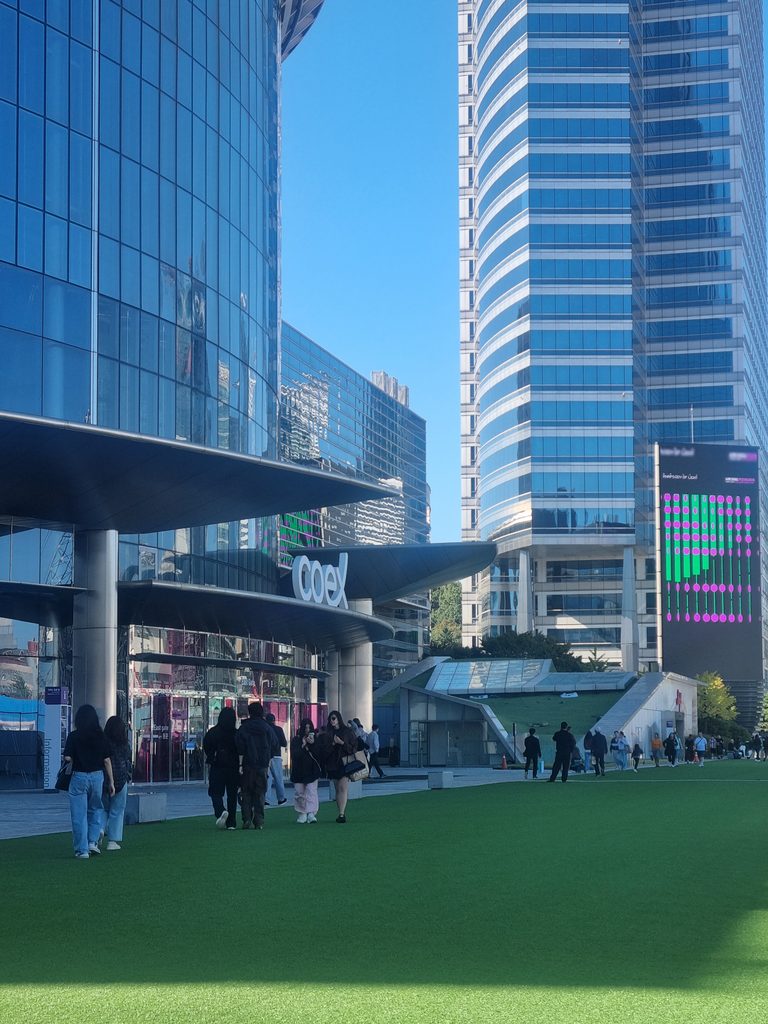
COEX is particularly convenient during Seoul’s hot summers, cold winters and rainy days.
You can browse shops, eat, have coffee or see a movie without spending much time outdoors.
Starfield Library and Things to See Inside COEX
For a first-time visitor, I’d begin with Starfield Library.
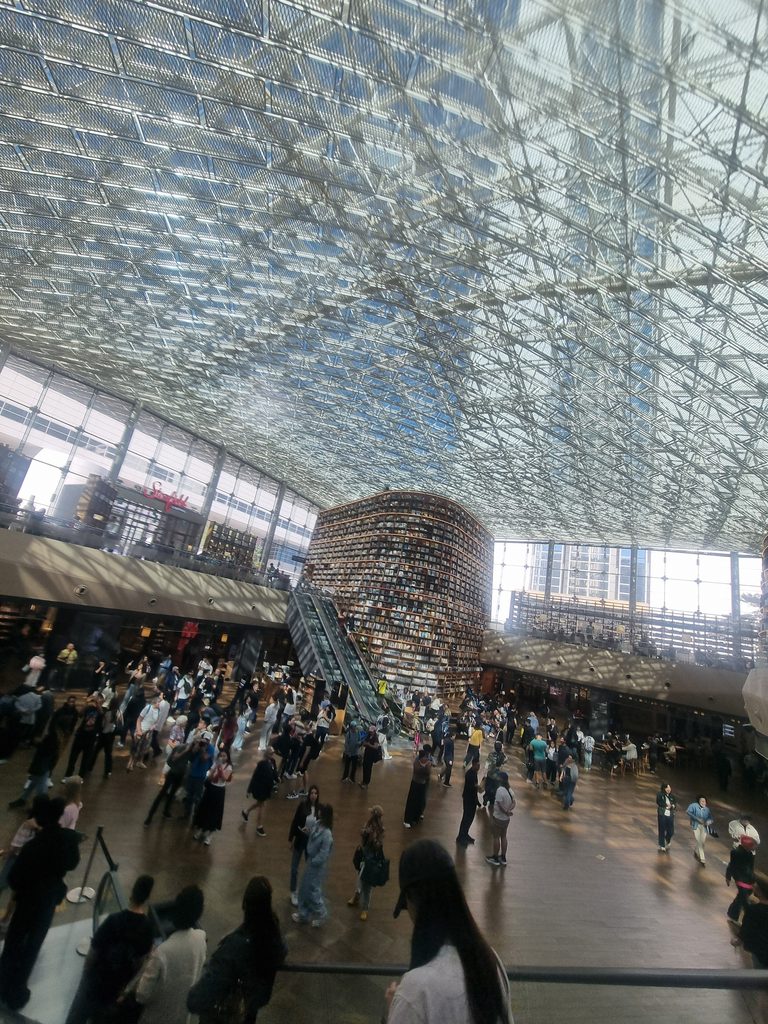
Its enormous bookshelves and open interior make it one of the most recognizable spaces in the mall.
The library is free to enter, so you don’t need to buy anything to look around or appreciate the architecture.
When I visited, plenty of people were walking around and taking photographs. I think it’s worth seeing, although I wouldn’t necessarily spend hours there.
Beyond the library, COEX offers a large selection of shops, cafés and entertainment facilities.
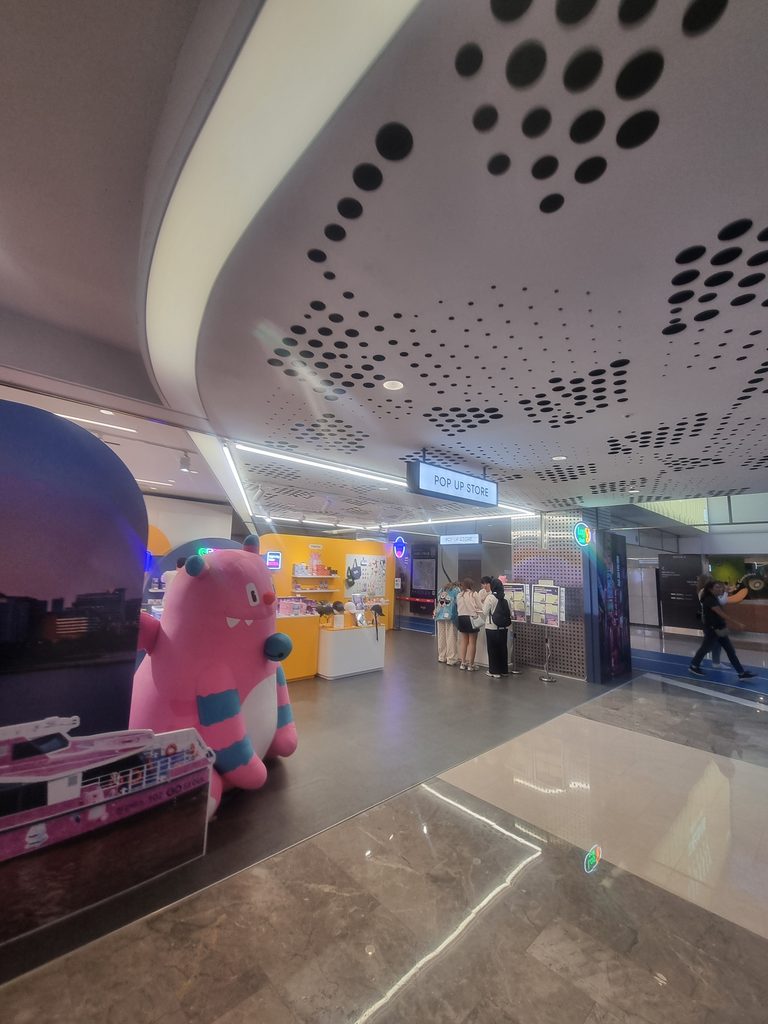
I particularly enjoy browsing stores and seeing what pop-up events are taking place. The Megabox cinema is another option when I want an indoor activity.
There’s also an aquarium near the Bongeunsa side of the mall. I didn’t visit it on this particular outing, so I won’t attempt to review the experience.
For me, COEX is less about finding one extraordinary attraction and more about having several activities conveniently located together.
Where I Prefer to Eat Around COEX
There are plenty of dining options in and around COEX, but I don’t think they all offer the same experience.
For a casual meal, the restaurants inside Starfield COEX Mall are convenient. In my experience, the food is generally fairly ordinary, although some options are relatively affordable compared with restaurants in the surrounding commercial areas.
Personally, I often prefer the restaurants near the entrance facing Bongeunsa or those in Parnas Mall when I want a more enjoyable meal.
If food is an important part of your visit, I’d look around these areas before choosing a restaurant.
Hotels Around COEX: My Past Stay and the Current Names
I think this part of Gangnam is particularly convenient for visitors who have a generous accommodation budget and plan to spend time in southern Seoul.
The area brings together shopping, restaurants, public transportation and several major hotels, including Grand InterContinental Seoul Parnas, The Westin Seoul Parnas and Oakwood Premier COEX Center.
I previously stayed at the former InterContinental Seoul COEX.
I remember being particularly impressed by the view of Bongeunsa from the club-level accommodation. I also enjoyed the food during that stay.
However, the hotel underwent a major renovation and reopened as The Westin Seoul Parnas on September 15, 2025.
My experience belongs to the former hotel and shouldn’t be interpreted as a review of the Westin’s current rooms, dining or service.
I’ve also enjoyed visiting hotel spaces in this area, including browsing artwork in a hotel lobby and spending time in the ground-floor dining areas.
Even without staying overnight, these buildings can be pleasant places to stop during a shopping trip, wherever public access is permitted.
For guests planning to spend most of their time around COEX, the location is very practical. However, if your itinerary focuses mainly on palaces and historic neighborhoods in northern Seoul, consider the additional travel time before booking accommodation here.
Getting there: COEX can be reached from Samseong Station on Line 2 or Bongeunsa Station on Line 9. The complex is extensive, so check which entrance is closest to your intended destination.
3. Seonjeongneung: A Quiet Forest Walk Among Royal Tombs
Seonjeongneung is one of the places I’d recommend to someone who enjoys an early morning walk.
Officially known as the Seolleung and Jeongneung Royal Tombs, it forms part of the UNESCO-listed Royal Tombs of the Joseon Dynasty.
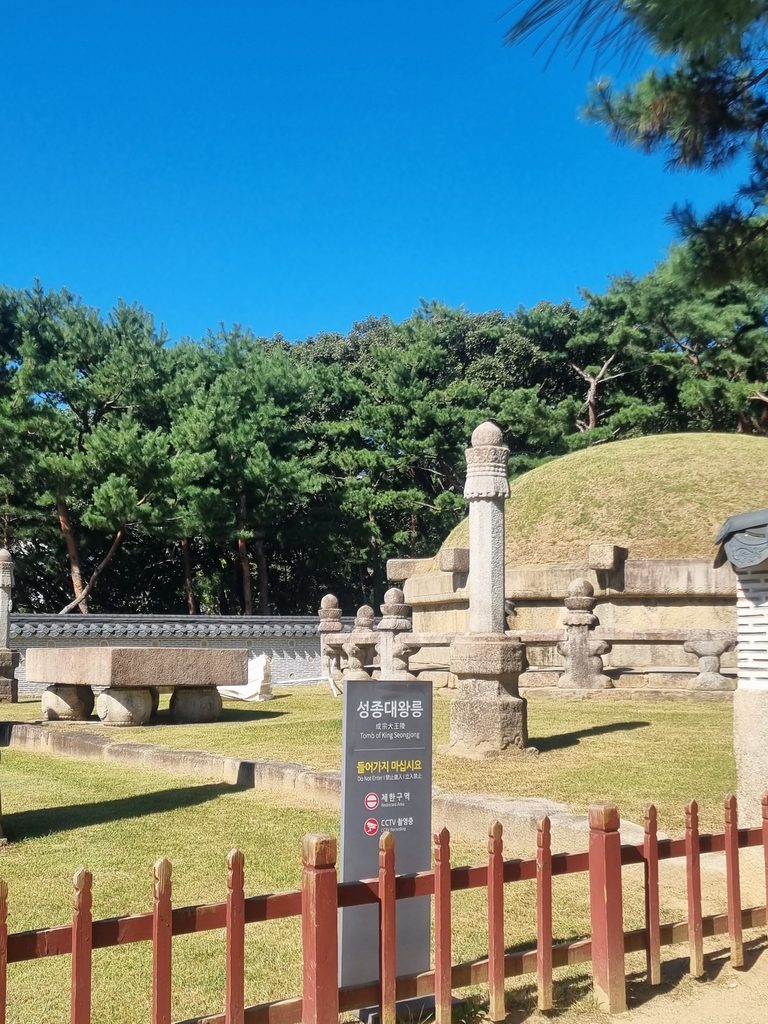
The site contains the tombs of King Seongjong, Queen Jeonghyeon and King Jungjong.
You don’t need to be particularly interested in Korean royal history to appreciate the surroundings.
Why I Would Visit in the Morning
I visited in the morning and enjoyed how peaceful it felt.
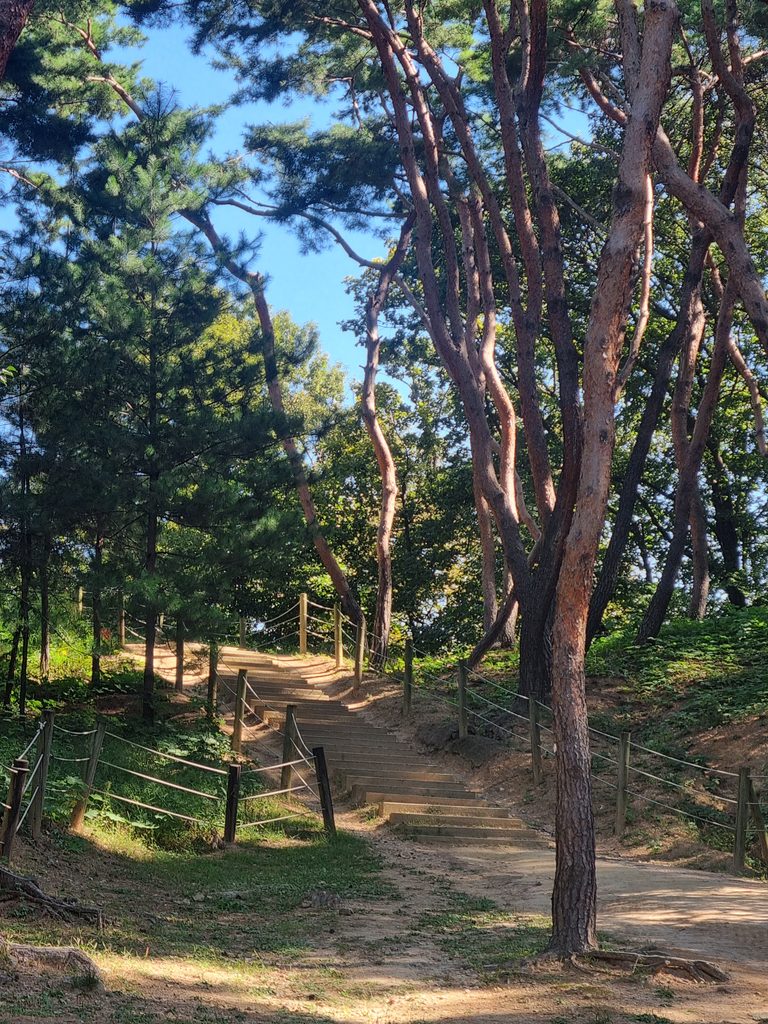
There were plenty of trees providing shade, and I could hear birds while walking.
I also noticed older people enjoying the paths and young children visiting in small groups.
Despite being surrounded by a busy business district, much of the site felt like a quiet urban forest.
That was my favorite aspect of Seonjeongneung.
I also enjoyed encountering traditional buildings between the wooded sections.
When I approached the royal tombs, I could see how the burial mounds were accompanied by stone sculptures and ceremonial architectural features.
The surrounding modern buildings made the contrast particularly striking.
How Much Time Do You Need?
I’d allow around one hour for a relaxed visit.
You could spend longer exploring the grounds, but you don’t need to cover every path to appreciate the atmosphere.
If you’re short on time, follow the signs toward Jeongneung rather than attempting to explore the entire site.
This gives you a chance to see an actual royal tomb without turning your visit into a long walk.
Alternatively, if you’d prefer more exercise, there are additional wooded paths, stairs and uphill sections connecting different parts of the grounds.
I found these sections particularly enjoyable for walking.
Seolleung Station or Seonjeongneung Station?
This is something I’d pay attention to when planning a visit.
I approached from Seonjeongneung Station, Exit 3.
The walk took me roughly 15–20 minutes. Parts of the traditional stone wall were attractive, but I found much of the route relatively long and uneventful.
The ticket office also felt slightly tucked away from the busier pedestrian areas.
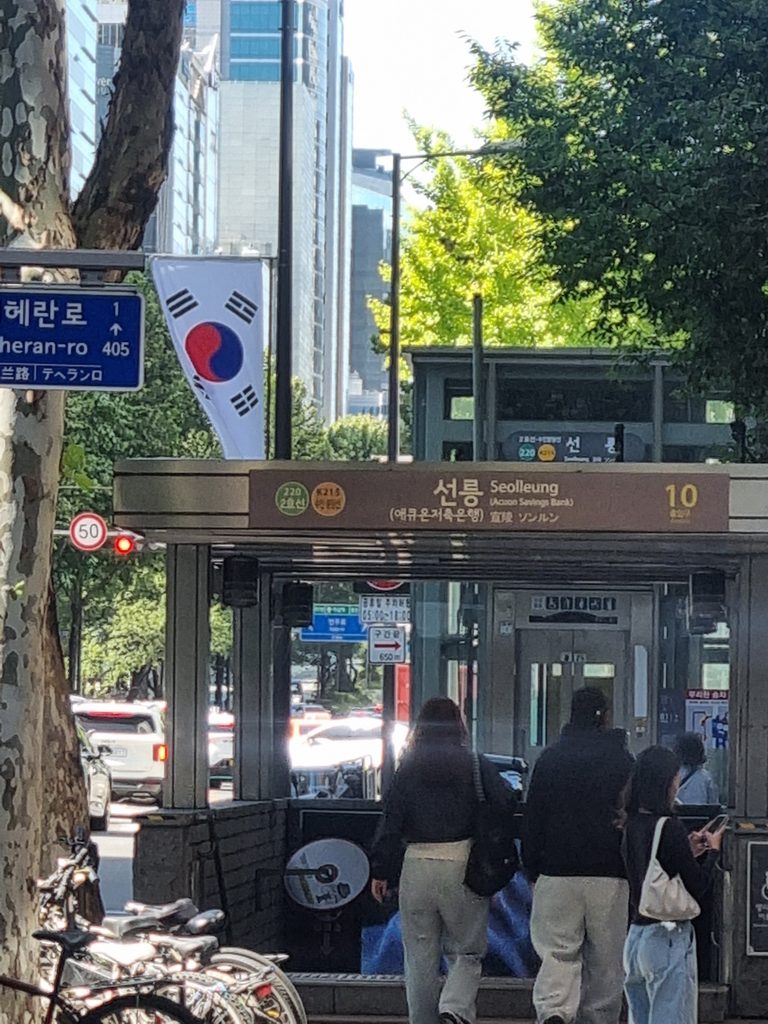
If your priority is to reach the royal tombs conveniently, I’d instead use Seolleung Station, Exit 10.
According to the official Seoul tourism guide, it’s approximately 444 meters from this exit, compared with roughly one kilometer from Seonjeongneung Station, Exit 3.
The longer approach does offer an opportunity to see more of the traditional stone wall. I just wouldn’t choose that route if I were tired or short on time.
Practical Information for Visiting Seonjeongneung
- Admission: KRW 1,000 for a regular adult ticket. Foreign visitors aged 18 or younger and those aged 65 or older are among the groups eligible for free admission.
- March–October: 6:00 AM–9:00 PM
- November–January: 6:30 AM–5:30 PM
- February: 6:00 AM–6:00 PM
- Last admission: One hour before closing.
- Regular closure: Mondays. When Monday falls on a public holiday or substitute holiday, the site normally opens and closes on the next non-holiday instead.
Hours and access conditions can change, so check the official Royal Heritage Administration visitor information before your visit.
My Local Tip: Take a Bus to Gangnam Station
One thing I appreciate about Seonjeongneung is how quickly the surroundings change once you leave the grounds.
Within a short distance, you’re back among office buildings, restaurants, cafés and ordinary city life.
Around Seolleung Station, there are convenient places to pick up a sandwich or coffee, along with shops such as Olive Young.
My next stop would be Gangnam Station.
Rather than automatically taking the subway, I’d consider the bus. I enjoy watching Gangnam’s modern streets and buildings through the window while traveling above ground.
Here’s a practical starting point:
Boarding stop: Seolleung Station (Stop ID 23218)
This stop is convenient when returning toward Seolleung Station Exit 10.
Bus routes serving this stop include 146, 341 and 740.
For a Gangnam Station-area visit, the following are useful options based on my route notes:
- 146 or 740: Get off around Gangnam Station, near the Exit 9 side, after confirming the current stopping pattern.
- 341: Continue toward the Sinnonhyeon–Gangnam Station area and get off at Sinnbundang Line Gangnam Station.
The exact stop, destination display and service pattern should always be checked on Naver Map or KakaoMap before boarding.
You may not get a seat, but I still think a bus ride is a pleasant way to see Gangnam rather than spending the whole journey underground.
4. Gangnam Station: Shopping, Dinner and a Lively Evening
Gangnam Station offers almost the opposite atmosphere to Seonjeongneung.
This is where I’d go for an ordinary shopping trip, a meal with friends, a movie or simply the convenience of having many businesses concentrated in one area.
It’s not necessarily where I’d go for a peaceful afternoon, but it works well after a morning spent exploring the royal tombs.
What I Would Actually Do Around Gangnam Station
I wouldn’t approach Gangnam Station as somewhere you need to complete a checklist of famous attractions.
Instead, I’d walk around the commercial streets, browse shops and choose somewhere to eat.
There are many cosmetics shops, fashion stores, cafés and restaurants.
I also visit the area for bookstores, movies and other activities, depending on the occasion.
Visitors interested in Korean beauty products will find plenty of opportunities to browse. And if you’re looking for a casual meal rather than fine dining, the surrounding streets provide a wide range of options.
For me, this is somewhere you can experience the busy, everyday side of modern Seoul.
Where I Actually Eat Around Gangnam Station
This is one part of Gangnam where I can offer more than a general restaurant list.
Some of the restaurants I’ve visited have been familiar to me for decades, dating back to when I worked nearby.
Here are three very different places I would consider, depending on what kind of Korean meal you’re looking for.
Jangwon Gimbap: My Longtime Affordable Favorite
[PHOTO 12 — Optional: Jangwon Gimbap food or storefront photograph, only if you have one]
I’ve been visiting Jangwon Gimbap since 1998.
It’s an inexpensive and satisfying place that I’ve continued to enjoy over the years.
The branch I’m referring to is Yetgoeul Jangwon Gimbap, Seocho Branch, near Gangnam Station.
Two things I would recommend are:
- Jangwon Gimbap — KRW 4,500: The restaurant serves it with a small bowl of soybean-paste soup.
- Rajebi — KRW 7,500: A comforting combination of Korean ramyeon and hand-torn sujebi dough in soup.
If you aren’t familiar with rajebi, it’s worth trying. It’s filling, inexpensive and quite different from a typical bowl of instant noodles.
I particularly like ordering a simple meal here when I want something tasty without spending much money.
Address: 31 Seocho-daero 77-gil, Seocho-gu, Seoul.
Listed hours: Monday–Saturday, 8:00 AM–9:00 PM; closed Sundays. Check before visiting, especially in the evening.
These are the menu prices I recorded, not a guarantee of future prices.
Sigol Yachae Doenjang: The Korean Food I Used to Eat While Working Nearby
I used to visit Sigol Yachae Doenjang when I worked near Sinnonhyeon Station.
It’s a long-established Korean restaurant that I have known for more than twenty years.
Unlike a restaurant designed around a tourist experience, this is the kind of place I associate with an ordinary Korean workday lunch.
It’s near Sinnonhyeon Station, Exit 7.
For lunch, I recommend the pork and kimchi soybean-paste stew, known as moksal kimchi doenjang. The price I recorded was KRW 12,000.
For dinner, there are several dishes I enjoy:
- Fresh pork belly (saeng samgyeopsal) — KRW 19,000
- Steamed egg (gyeran-jjim) — KRW 5,000
- Spicy braised chicken (dak-bokkeum-tang), medium — KRW 45,000
The steamed egg is particularly good alongside a meat dish.
If you enjoy spicy Korean food, the braised chicken is another option I would consider.
However, I wouldn’t recommend ordering it without checking your tolerance for spicy food.
These prices are from my notes. Because restaurant menus can change, check the current menu before ordering.
Gangsam Garden: An Approachable Korean BBQ Option
If you’re visiting Korea for the first time and want to try Korean barbecue, Gangsam Garden is a place I would consider.
It’s located in the Sinnonhyeon and Gangnam Station area, within walking distance of Sinnonhyeon Station, Exit 6.
The restaurant has a relatively modern, approachable atmosphere, making it an option for visitors who would prefer a more familiar restaurant setting for their first Korean BBQ experience.
The menu includes pork belly, or samgyeopsal, listed at approximately KRW 18,000 per 160g serving.
Address: 20 Gangnam-daero 102-gil, Gangnam-gu, Seoul.
If you want to try Korean barbecue without having to search through dozens of unfamiliar restaurants, it’s worth considering.
These three places show different sides of casual dining in the Gangnam Station area: a longstanding gimbap shop, a traditional Korean restaurant I used to visit during my working years, and a more contemporary Korean barbecue restaurant.
How I Would Spend an Evening Around Gangnam Station
Several of the Gangnam-related searches I investigated focused on what to do at night.
For me, an evening around Gangnam Station doesn’t have to involve clubbing.
I’d simply plan dinner, browse a few shops if they’re open and take some time to experience the atmosphere of the surrounding streets.
If I wanted a more fashion-oriented evening, with cafés and a different atmosphere, I’d consider Apgujeong Rodeo instead.
Gangnam Station is where I’d go for convenience, dinner and a busy commercial atmosphere. Apgujeong Rodeo is where I’d go for fashion and a more leisurely change of scene.
5. Apgujeong Rodeo and Cheongdam: A Different Side of Gangnam
Apgujeong Rodeo and Cheongdam offer another perspective on Gangnam.
I visit Apgujeong Rodeo for ordinary reasons as well as special occasions: shopping, visiting skincare clinics, meeting someone for a meal or simply spending time in the neighborhood.
I find it particularly appealing because there are several different things to do without constantly moving between distant locations.
You can browse fashion boutiques, visit cafés, explore the streets around Dosan Park and continue toward some of Seoul’s luxury shopping destinations.
I’ve written a separate local guide to Apgujeong Rodeo that covers the neighborhood in greater detail.
Galleria Department Store: Somewhere I Actually Visit
Galleria is another regular stop for me when I’m in Apgujeong.
Although many visitors associate it primarily with luxury brands, I go there for much more ordinary reasons too.
I spend more time in Galleria WEST than EAST.
Sometimes I shop for shoes or bags. Other times, I buy bread, browse the food hall, have coffee or simply take a break.
If you’re interested in visiting, I’ve also written about how I use Galleria Department Store as a local, including the differences between its two buildings.
How Cheongdam Feels Different
Cheongdam is close to Apgujeong Rodeo, but I tend to use the two neighborhoods differently.
Apgujeong is somewhere I might visit without a particularly formal plan.
Cheongdam is more often somewhere I go with a particular destination in mind, such as a restaurant reservation, gathering or salon appointment.
For visitors whose interests are fashion and luxury shopping, the two neighborhoods can make a good combined outing.
I’d rather spend enough time exploring this area than add it to an already busy sightseeing day.
Two Easy Ways to Spend a Day in Gangnam
If I were planning a day for a friend visiting Seoul, I’d suggest one of these two routes.
Route A: Bongeunsa and COEX
Morning: Bongeunsa Temple
Start by exploring the traditional buildings, visiting the prayer halls and walking through the grounds.
If the tea area is operating, stop for a drink before leaving.
Lunch and afternoon: COEX
Cross the road and enter the shopping complex.
Choose somewhere to eat, visit Starfield Library, browse the shops and see whether any interesting pop-up events are taking place.
This route combines history and modern Seoul while keeping transportation simple.
Route B: Seonjeongneung and Gangnam Station
Morning: Seonjeongneung
Arrive early and allow approximately one hour to explore.
Choose a shorter tomb route or extend your visit along the wooded paths, depending on how much you want to walk.
Afternoon and evening: Gangnam Station
Return toward Seolleung Station, then take a bus from Stop 23218 toward the Gangnam Station area after checking the current route.
Browse the commercial streets, shop and choose somewhere for dinner.
If you enjoy inexpensive Korean food, you might try Jangwon Gimbap. If you’re looking for Korean stew or barbecue, continue toward Sinnonhyeon.
Prefer fashion and luxury shopping? Save Apgujeong Rodeo, Galleria and Cheongdam for a separate outing.
Frequently Asked Questions About Visiting Gangnam
Is Gangnam Worth Visiting?
I think it is, especially if you enjoy seeing different aspects of a city.
Gangnam isn’t a single attraction. Its neighborhoods offer different experiences, from historic sites and forest walks to modern shopping and dining.
Choose the area that matches your interests rather than expecting every part of the district to feel the same.
What Can You Do in Gangnam for Free?
You can explore Bongeunsa Temple’s public grounds, visit Starfield Library and browse the shopping areas around COEX and Apgujeong Rodeo without paying an admission fee.
Individual exhibitions, activities and commercial attractions may charge admission.
Seonjeongneung has a modest admission fee for most adult visitors, with free admission available to certain groups.
What Can You Do in Gangnam on a Rainy Day?
I’d choose COEX.
You can visit Starfield Library, browse shops, enjoy a meal or see a movie while spending most of the day indoors.
Parnas Mall and the nearby department-store shopping areas provide additional options.
I’d save Seonjeongneung for better weather because walking through the grounds is a major part of its appeal.
Can You Visit All These Places in One Day?
You could visit several areas in one day, but I wouldn’t recommend treating every destination in this guide as a compulsory stop.
The most enjoyable approach is to plan by neighborhood.
Choose one of the suggested routes, or spend your day exploring Apgujeong Rodeo and Cheongdam if shopping and fashion are your priorities.
Final Thoughts: The Gangnam I Enjoy
Living in Gangnam has given me opportunities to experience the district beyond its familiar image of luxury shopping and busy streets.
I enjoy the small discoveries just as much as the famous attractions: a simple drink at Bongeunsa, walking beneath the trees at Seonjeongneung or returning to a gimbap shop I’ve known since 1998.
If you’re visiting for the first time, don’t try to do everything.
Choose one or two areas, give yourself time to explore them and enjoy the version of Gangnam that appeals to you.